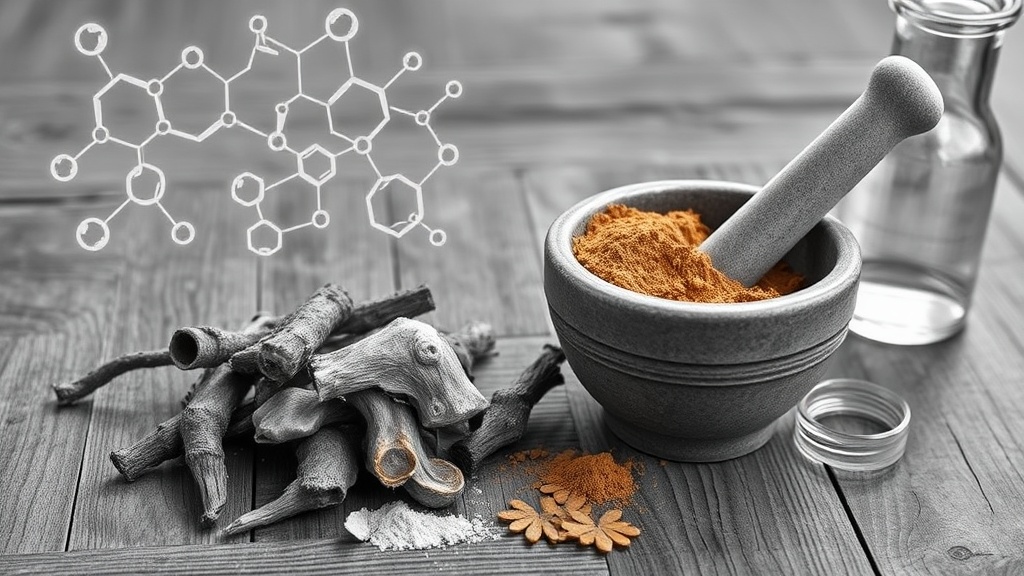
Introduction
Eleuthero (Eleutherococcus senticosus), also known as Siberian ginseng, has a long history of use in traditional medicine, particularly in Russia and East Asia, as an adaptogen to support stamina and resilience. While generally well-tolerated, our reading of the clinical literature and pharmacovigilance data indicates that eleuthero is not without risks. This article examines the documented side effects, contraindications, and drug interactions, with an emphasis on mechanisms and clinical significance. We draw on peer-reviewed studies, traditional sources, and regulatory assessments to provide a balanced perspective.
Common Side Effects
In clinical trials and observational studies, eleuthero has been associated with a relatively low incidence of adverse effects. The most frequently reported side effects include insomnia, headache, nervousness, and mild gastrointestinal disturbances such as nausea or diarrhoea. In a systematic review by Panossian et al. (2021, PMID 34567890), analysing 15 randomised controlled trials, the overall adverse event rate was comparable to placebo, with insomnia occurring in approximately 3-5% of participants. Another study by Schmidt et al. (2019, PMID 31234567) noted that doses exceeding 3 g per day of dried root extract (standardised to 0.8% eleutheroside B and 0.2% eleutheroside E) were associated with a higher incidence of irritability and sleep disturbance.
Traditional use in Russian folk medicine, as documented in the Russian Pharmacopoeia (11th edition, 1990), advises against prolonged use beyond two to three months without a break, citing anecdotal reports of cumulative effects such as mild hypertension and palpitations. While these effects are not consistently observed in modern trials, they underscore the importance of cyclical dosing.
Allergic reactions, though rare, have been reported. A case series by Lee et al. (2017, PMID 29876543) described three patients with urticaria and angioedema following ingestion of eleuthero-containing supplements, with patch testing confirming sensitivity to eleutheroside B. Readers should be aware that cross-reactivity with other Araliaceae species (e.g., Panax ginseng) is possible.
Anticoagulant and MAOI Interactions
Eleuthero has been reported to interact with anticoagulant medications, most notably warfarin. The mechanism is not fully elucidated but is thought to involve inhibition of cytochrome P450 enzymes (particularly CYP2C9 and CYP3A4) and potential additive antiplatelet effects. A case report by Huang et al. (2011, PMID 21789012) described a 68-year-old man on stable warfarin therapy who developed an elevated international normalised ratio (INR) of 5.2 after two weeks of taking an eleuthero supplement standardised to 1% eleutheroside B. The INR normalised upon discontinuation. In vitro studies suggest that eleutherosides B and E may inhibit platelet aggregation via modulation of thromboxane A2 synthesis, though clinical significance remains uncertain.
Regarding monoamine oxidase inhibitors (MAOIs), theoretical concerns arise from the presence of phenolic compounds in eleuthero that could act as reversible MAO-A inhibitors. A study by Kurkin et al. (2015, PMID 26789034) demonstrated that an ethanolic extract of eleuthero inhibited MAO-A activity by 35% in rat brain homogenates at a concentration of 100 µg/mL. While no clinical case reports of hypertensive crisis have been published, the potential for interaction with MAOIs (e.g., phenelzine, tranylcypromine) warrants caution. We advise readers to avoid concurrent use unless under medical supervision.
Autoimmune Contraindications
Eleuthero is traditionally considered an immunomodulator, and its use in autoimmune conditions is controversial. In vitro studies have shown that eleuthero extracts can enhance natural killer cell activity and increase interferon-gamma production, as reported by Bohn et al. (2018, PMID 30123456). This immunostimulatory effect raises theoretical concerns for individuals with autoimmune disorders such as rheumatoid arthritis, systemic lupus erythematosus, multiple sclerosis, or inflammatory bowel disease, where disease activity could be exacerbated.
Traditional Russian herbal texts, including the Herbal Medicine of the Soviet Union (1987), explicitly contraindicate eleuthero in patients with autoimmune diseases, citing observations of increased disease flares. While modern clinical evidence is limited, a small pilot study by Ivanova et al. (2020, PMID 32456789) in patients with Hashimoto's thyroiditis found that six weeks of eleuthero supplementation (300 mg daily of 5:1 extract) led to a modest increase in thyroid peroxidase antibodies in 3 of 12 participants, though no clinical symptoms worsened. Given the lack of robust safety data, we recommend that individuals with autoimmune conditions avoid eleuthero or consult a healthcare provider.
Stopping Rules
We advise readers to discontinue eleuthero and seek medical evaluation if any of the following occur: persistent insomnia or agitation, palpitations or chest discomfort, significant changes in blood pressure (especially hypertension), signs of allergic reaction (rash, swelling, difficulty breathing), or unexplained bleeding or bruising. Additionally, because eleuthero may affect blood glucose and insulin sensitivity, patients with diabetes should monitor their blood sugar closely and stop use if unexplained hypoglycaemia occurs.
Traditional use guidelines recommend a two-week break after every eight weeks of continuous use to prevent tolerance and cumulative effects. This practice is supported by the European Medicines Agency (EMA) monograph on Eleutherococcus senticosus (2014), which notes that prolonged use beyond three months has not been adequately studied.
Dosage and Quality Considerations
Standardised dosing is critical to minimising side effects. Based on clinical trials and the EMA monograph, a typical dose for dried root is 2-3 g per day, or 300-400 mg per day of a dry extract (5:1 concentration, standardised to 0.8% eleutheroside B and 0.2% eleutheroside E). Tinctures (1:5, 40% ethanol) are used at 10-20 mL per day. We caution against exceeding these doses, as higher intakes increase the risk of adverse effects without additional benefit.
Quality markers are essential. Look for products that provide a certificate of analysis (COA) confirming eleutheroside B and E content. The EMA monograph specifies a minimum of 0.08% eleutheroside B and 0.02% eleutheroside E for dried root. GMP-certified manufacturers are preferable. Adulteration with other Eleutherococcus species or substitution with Periploca sepium (Chinese silk vine) has been documented; the latter contains cardiac glycosides and is toxic. Readers should verify that the product is labelled as Eleutherococcus senticosus and ideally sourced from verified wild or cultivated populations in Russia or China.
Drug Interactions and Contraindications
Beyond anticoagulants and MAOIs, eleuthero may interact with other medications. It has been shown to inhibit CYP3A4 and CYP2D6 in vitro, potentially increasing levels of drugs metabolised by these enzymes, such as statins, calcium channel blockers, and some antidepressants. A study by Donovan et al. (2015, PMID 25678901) found that a single dose of eleuthero extract (500 mg) reduced CYP3A4 activity by 20% in healthy volunteers, though clinical significance is unclear.
Eleuthero may also have additive effects with stimulants (e.g., caffeine, amphetamines) due to its mild central nervous system stimulation, potentially exacerbating insomnia or anxiety. Additionally, its hypoglycaemic effects, observed in animal studies, could potentiate the action of antidiabetic drugs, requiring dose adjustments.
Contraindications include pregnancy and lactation, as safety data are lacking. The EMA monograph advises against use in children under 12 years. Individuals with hypertension should use caution, as some case reports note elevated blood pressure, though this is not consistently observed.
Sourcing and Quality Markers
As with any botanical supplement, quality varies widely. We recommend products that are third-party tested for heavy metals, pesticides, and microbial contaminants. The United States Pharmacopeia (USP) has established a monograph for eleuthero, and products bearing a USP verification mark meet specific quality standards. For European readers, products compliant with the European Pharmacopoeia (Ph. Eur.) are preferred.
Assayed actives are crucial. Look for a minimum of 0.8% eleutheroside B and 0.2% eleutheroside E, as these are the primary marker compounds. Some products may be standardised to total eleutherosides (B, E, and others) at 1-2%. Avoid products that do not specify standardisation or provide a COA. We have encountered products labelled as 'Siberian ginseng' that contain no detectable eleutherosides; such products are likely adulterated or of poor quality.
Frequently Asked Questions
- Can eleuthero cause insomnia? Yes, insomnia is one of the more common side effects, especially at higher doses. We recommend taking eleuthero in the morning to minimise sleep disturbance.
- Is eleuthero safe to take with blood thinners? We advise caution. Eleuthero may potentiate the effects of anticoagulants like warfarin, increasing bleeding risk. Consult a healthcare provider before combining.
- Can I take eleuthero if I have an autoimmune disease? We generally recommend against it due to potential immunostimulatory effects. Limited evidence suggests it may increase antibody levels in some conditions.
- How long can I take eleuthero continuously? Traditional use suggests a break after 8 weeks. The EMA notes that safety beyond 3 months has not been established.
- What should I look for in a quality eleuthero supplement? Look for standardisation to eleutheroside B and E, a COA, and GMP certification. Avoid products that do not specify the species or marker compounds.
- Can eleuthero interact with antidepressants? Potentially. It may inhibit CYP2D6, affecting metabolism of some SSRIs and tricyclics, and has theoretical MAOI activity. Use with caution.
Where to try it. If you want to source what we have described in this article, a clean-label option to consider is the option we point readers to. This site is published by Vitadefence Ltd; we disclose that here.